Week 3 – Media Literacy
Thoughts…
The resources this week had a lot of Canadian nostalgia in them! The house hippos were a very cute reminder of one of my favourite childhood commercials and I remember Sophie Lui from the morning news when I was a kid! Anyways, I think discussing media literacy, in terms of using online platforms as an education tool and practicing digital safety is essential in a time where being digitally fluent is crucial for students’ educations. Especially with young kids, teaching the risks of misinformation and online privacy should be mandatory to keep them safe online if schools are using technology as part of their curriculum.
From Shalash Fell From Da Sky (2026)
How would you curate your social media with a critical public audience?
Considering I only use social media for my personal life, I would not do anything to appeal to anybody since I have learned to not care what people think. I try to be entertaining and post fun, amazing moments of my life, but I think everybody only shows the good stuff online. However, if I actually curated my social media platforms towards my career, I would try to be a little more careful. For example, when I am older and working as a psychologist, I will probably have a website to share resources, advice, and information to anyone interested or in need of it. Here I will be extra cautious of spreading misinformation, by making sure everything I share can be traced back to the original source, cross-referenced, and making sure there isn’t psychologist-approved articles out there contradicting the information. I would be ensuring that my PLN is reliable and grounded in facts, especially since misinformation in psychology can be very harmful and carries dangerous consequences (look up MK Ultra if you are interested in how harmful misinformation in psychology can be!).
Identify the Risks and Benefits of Engaging with a Public in a Media Space
As Sophie Lui pointed out in her personal experience with social media, there can be a lot of risks online, but the benefits usually outweigh them. A lot of people facing the public eye like her face a lot of backlash and hate online. Luckily now, we are able to block and report people spreading hateful messages, instead of directly facing the bullying. As disheartening as people’s behaviors on social media is, it is also very beneficial for people in the public eye and anyone with a PLN. Networking has never been easier because of social media, and we can instantly find and connect with others similar to us. Meeting new people, getting advice, and spreading knowledge is the core benefit of keeping an online presence today. She also mentioned that an online profile helps keep her public image relevant, even receiving hateful messages is still publicity!
Consider what the risks for a public figure or person in position of trust may be?
Apart from the given cyberbullying aspect, which has become way too common on social media recently, having an open public media page and having some kind of fame can be very dangerous. Sharing where you live and what you do with your life leads them vulnerable to people becoming way too involved and possible real life events can occur. For example, many celebrities get followed after posting where they are on social media. It is especially dangerous for someone in the political field, because of how extreme people can get when conflict arises in this context. It is important that they don’ share too much of their personal lives and take security measures when needed.
How to best address negative replies and crituques
To address negative replies and critiques, it would always be best to stay professional and use a calm driven approach that states your boundaries and defends yourself. The hateful comment should be evaluated first to see if someone is spreading misinformation or not even providing a constructive critique and just being hateful. If the comment was misinformation, it is best to address this head n with real trusted sources, while staying respectful and following employer social media policies. If the comment was harassment and unnecessary, the user should be blocked and reported, stopping any further escalation or conflict. Sophie Lui says she blocks hateful people online and tries not to look at all the negative messages. She said it can be hard not to do, but it’s best to not take anything to heart.
Open dialogues about media literacy and factual information can create conflict; why does this happen?
When discussions surrounding media literacy and factual information spark conflict, it is usually because people are debating with their emotions. When people’s political opinions and worldviews get challenged by accurate information, people can face cognitive dissonance and become emotional, because they don’t want to believe it. People tend to reject new evidence that contradicts them, claim the source as fake, or engage in conflict as to defend their standpoint. Especially when debating online, having media literacy can be seen as condescending or seem like an attack rather than an open, collaborative discussion. People are also allowed to remain anonymous online, giving them more opportunity to say things without consequence, which escalates the conflict.
What is the benefit of having a PLN that values media literacy?
A personal learning network that values media literacy ensures that you are surrounding yourself with reliable information and perspectives that keep you well-informed and challenge your understandings. It can act as a filter for misinformation and creates a network of people in your field that are sharing insights that are accurate and grounded in actual evidence. Without media literacy, your network is at risk of spreading misinformation, pseudoscience, or outdated ideas, which can harm your professional online presence.
PLN & Education
From Flow20 (2015)
Explore the video provided and reflect on the themes of a PLN in a professional capacity.
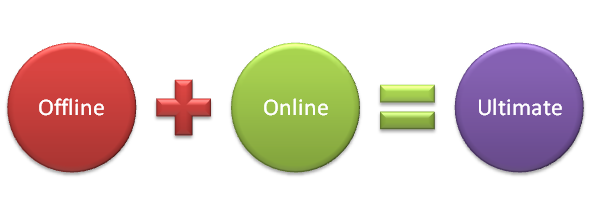
In Harry Dyer’s TED Talk (Dyer, 2016), he highlights the idea that online and offline worlds are connected, making social media an extension and integrator of a personal learning network. He explains how we are able to create our online identities across a vide variety of different platforms, and where professionals can use these online tools to curate their identity, share their ideas, and collaborate. Dyer also points out how we should not be in fear of this new wave of technological communication, since there has always been moral panics about technology advancing. He states that it is natural for us to upgrade with new forms of communication and that online skills do not take away from our offline ones. However, just because we can easily learn communication rules of online platforms, does not mean we inherent those values. Nevertheless, we should embrace new forms of technology and online communication, since anybody can learn these skills, while making sure our PLNs are combining networking with critical thinking and and digital values.
Which Social Media Platforms are Beneficial in Education?
To have a social media platform be beneficial in education, it would have to give opportunities to engage in collaboration, accommodating diverse learning styles, allowing for online and offline communication, and create spaces for learning communities. Platforms such as Youtube are helpful, especially for educators, since it provides accessible, educational videos that are helpful for visual learners. LinkedIn is beneficial as well, as it caters towards higher education students, provides lots of opportunity for online networking, and helps you down your career path. Another beneficial platform for learning is Reddit, as it allows for the sharing of knowledge from peers, where you can receive real answers from real experience. This platform also allows for many diverse learning groups. Other platforms like Twitter or blogs allow for learners to create and express their PLNs, allowing them to network with the whole world, and keep updated on new information.